
Hair Cut: How Often Should You Trim Your Hair?
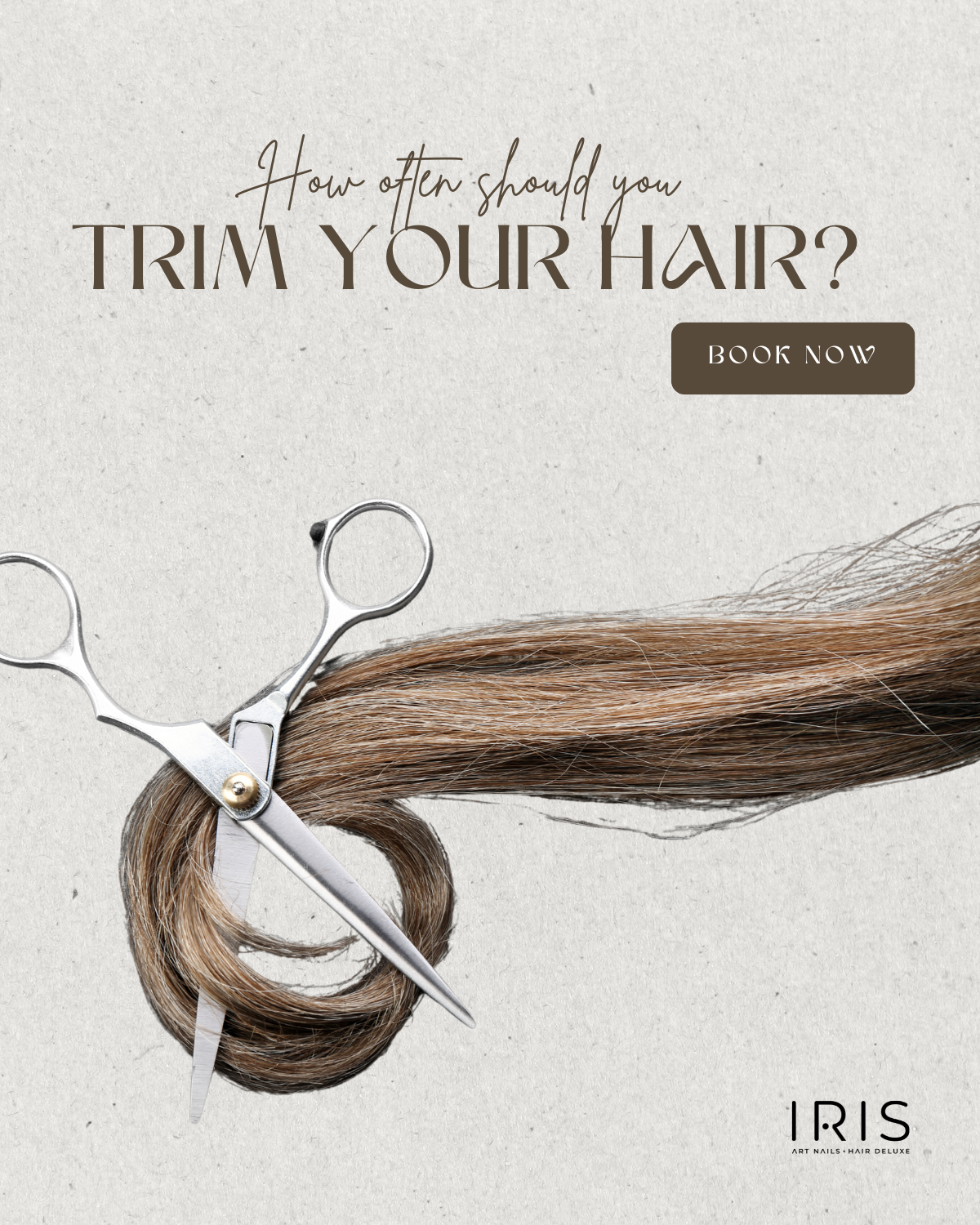
Hair cut appointments are often associated with changing your style, getting a fresh look, or trying a new trend. However, regular trims are about much more than appearance. They are one of the most important habits for maintaining healthy hair.
Many people avoid trimming because they want their hair to grow longer. Ironically, skipping trims for too long can actually make hair look thinner, rougher, and more damaged over time. While hair growth happens at the roots, the condition of your ends plays a huge role in how healthy your hair looks and feels.
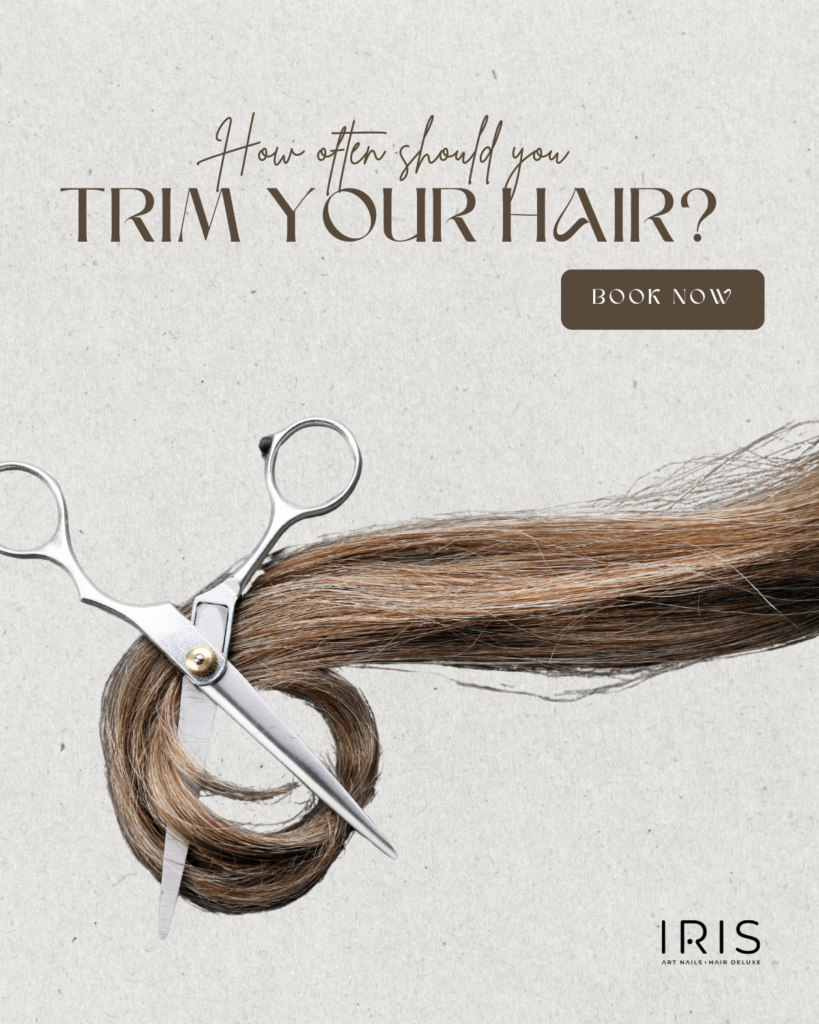
So how often should you really get a trim?
The answer depends on your hair type, length, styling habits, and overall hair condition. Understanding when your hair needs attention can help you maintain stronger, healthier strands and keep your hairstyle looking its best.
Hair Cut Timing Depends on Your Hair Goals
Not everyone needs a hair cut at the same frequency.
If you have a short haircut that requires a precise shape, you may need trims more often to maintain the style. Short bobs, pixie cuts, and structured hairstyles tend to lose their shape faster as hair grows.
For shorter styles, a trim every 4 to 6 weeks is often recommended.
If you have medium or long hair and are trying to grow it out, you can usually wait a bit longer between appointments. A trim every 8 to 12 weeks helps keep the ends healthy while still allowing length to increase.
The goal is not necessarily cutting off large amounts of hair. Sometimes removing only a small amount can prevent future damage from spreading.
Hair Cut Helps Prevent Split Ends
One of the biggest reasons to schedule a regular hair cut is to prevent split ends.
Split ends occur when the protective outer layer of the hair becomes damaged and begins separating. Once a split develops, it cannot be permanently repaired. Products may temporarily smooth the appearance, but the damaged section remains.
If left untreated, split ends can travel higher up the hair shaft, leading to:
- More breakage
- Rough texture
- Frizz
- Tangling
- Thinner-looking ends
- Difficulty maintaining healthy length
Regular trims remove damaged ends before the problem spreads further.
Think of trimming like pruning a plant. Removing damaged sections allows the healthier parts to thrive.
Hair Cut Is Especially Important for Chemically Treated Hair
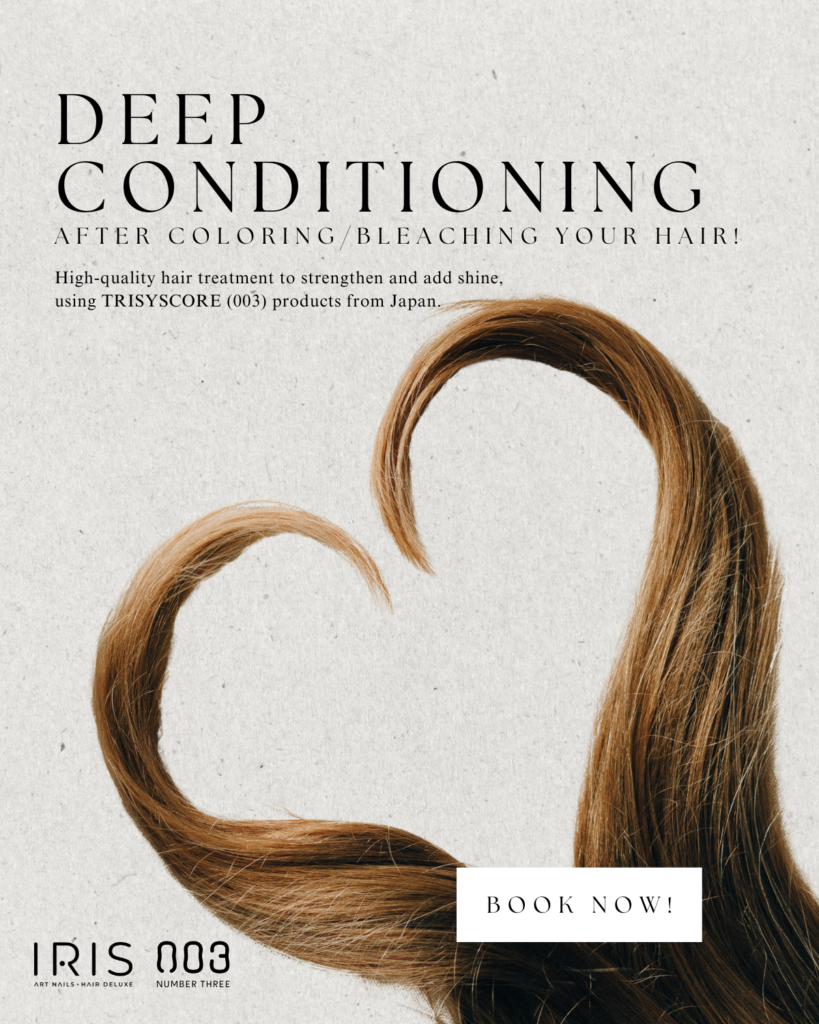
Hair that has been colored, bleached, permed, or chemically straightened often benefits from more frequent trims.
Chemical services can weaken the hair structure, making the ends more vulnerable to dryness and breakage. Even with proper home care, these ends often experience more wear and tear than untreated hair.
A routine hair cut schedule helps maintain shape and prevent damaged ends from affecting the overall appearance of the hair.
If your hair undergoes frequent coloring or bleaching, your stylist may recommend trims every 6 to 8 weeks depending on the condition of your hair.
Hair Cut Signs You Should Not Ignore
Sometimes your hair will tell you when it is time for a trim.
Common signs include:
Hair Cut Sign #1: Visible Split Ends
If you can easily see split or frayed ends, it is usually time for a trim.
Hair Cut Sign #2: Excessive Tangling
Hair that tangles more frequently, especially at the ends, may have accumulated damage.
Hair Cut Sign #3: Hair Feels Rough
When the ends feel noticeably drier or rougher than the rest of your hair, trimming can improve overall texture.
Hair Cut Sign #4: Loss of Shape
If your hairstyle no longer sits properly or feels heavy and uneven, a trim can restore balance.
Hair Cut Sign #5: Increased Breakage
Finding more broken strands on your brush or pillow can indicate weakened ends that need attention.
Hair Cut Myths About Growing Hair Longer
A common misconception is that avoiding haircuts helps hair grow faster.
In reality, trimming does not affect how quickly hair grows from the scalp. Hair growth is determined by factors such as genetics, health, and lifestyle.
However, regular trims help preserve length by reducing breakage. Hair that constantly breaks at the ends may appear stuck at the same length even though it is technically growing.
This is why healthy trimming habits often make it easier to achieve longer hair over time.
Hair Cut and Professional Hair Care
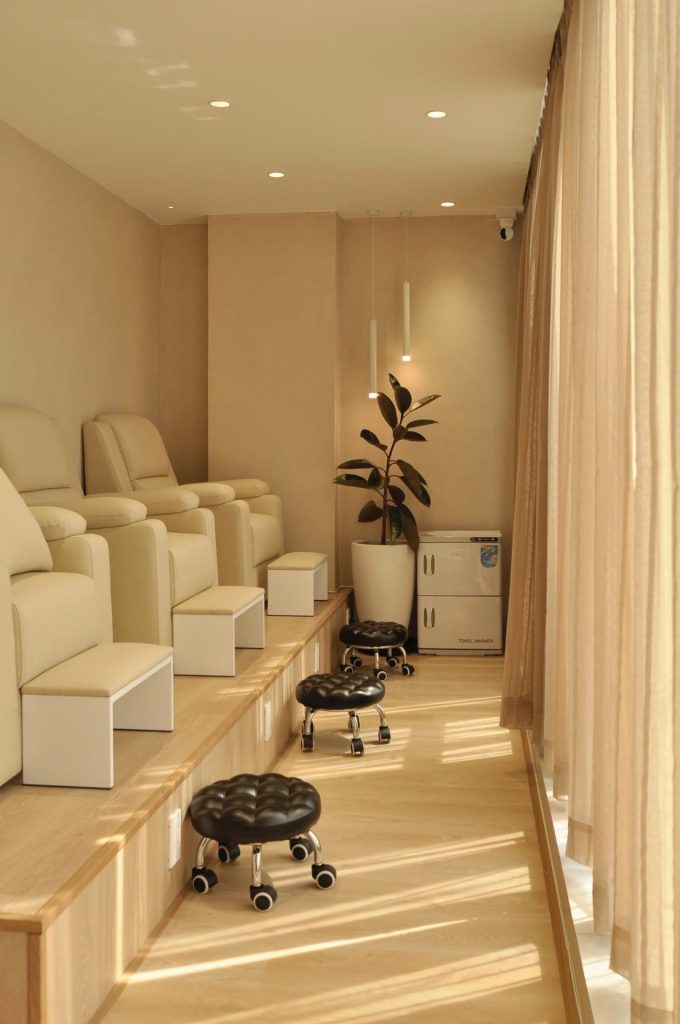
At IRIS Art Nails & Hair Salon, every haircut consultation takes into account your lifestyle, hair goals, and hair condition. Rather than removing unnecessary length, the focus is on maintaining healthy ends while helping you achieve the style you want.
Whether you are growing your hair longer, maintaining a short cut, or recovering from chemical damage, a personalized trimming schedule can make a significant difference in the long-term health of your hair.
Healthy Hair Starts with Regular Hair Cut Maintenance
Hair cut appointments are not just about changing your appearance. They are an essential part of maintaining strong, healthy, beautiful hair.
For most people, trimming every 8 to 12 weeks helps prevent split ends and maintain overall hair quality. If your hair is chemically treated or heavily styled, more frequent trims may be beneficial.
A few centimeters removed at the right time can save much more damage later, helping your hair stay smooth, healthy, and ready for whatever style comes next ✨